In the aftermath of the NFL Draft, analysts scramble to dissect the decisions made by teams, but one thing remains unmistakable: the choices made now will define franchises for years. This year's draft class has a mix of clear winners and intriguing losers, each underlining the age-old belief that you don’t always get the results you expect immediately. Let’s break down the most significant impacts of this year’s selections on the teams involved.
Teams Coming Out on Top
The New York Jets have emerged as a standout performer in this draft, aspiring to shake off the disappointment of last season by strategically choosing players who embody a winning culture. Head coach Aaron Glenn is actively seeking to transform the locker room atmosphere with his selections. The Jets' trio of first-round picks—David Bailey from Texas Tech, Kenyon Sadiq from Oregon, and Omar Cooper Jr. from Indiana—along with second-round choice D’Angelo Ponds are more than mere names; they signal a commitment to enhancing both their offense and defense. The choices suggest an organization keenly aware of their previous inadequacies and motivated to elevate the talent level on the field. The underlying theme here is about upgrading the team’s expectations while filling crucial gaps.
To further bolster their roster, late-round picks such as defensive tackle Darrell Jackson Jr. and quarterback Cade Klubnik enhance the pool of talent with potential impact players who could evolve over time. This draft isn't just about immediate contributions; it's about setting a foundation for sustained success. If you're working in this space, you'll recognize the significance of these decisions as they could pivot the franchise toward a more competitive phase in its history.
The New York Giants also made strides, with new head coach John Harbaugh steering the team toward a philosophy reliant on physicality. By drafting linebacker Arvell Reese and offensive lineman Francis Mauigoa, the Giants are signaling a return to the basics of controlling the game upfront. Harbaugh understands that a strong foundation begins in the trenches, and each selection reflects a commitment to a tough, blue-collar identity. Reese may find his niche in a hybrid role, while Mauigoa brings years of projected talent that can adapt as he develops.
With the potential impact of Day 3 selections, including defensive tackle Bobby Jamison-Travis and offensive tackle J.C. Davis, the Giants' future identity under Harbaugh could shift dramatically. What stands out here is their willingness to embrace a long-term approach. These players aren't just roster fillers; they embody a strategic vision that aims for a more cohesive playing style. As any analyst will tell you, a strong draft can redefine a team's culture.
The Tampa Bay Buccaneers are also reestablishing themselves within the NFC South hierarchy by focusing on toughness through their draft choices. The trio of Rueben Bain, Josiah Trotter, and Keionte Scott represents a return to a defensive mindset that characterized their championship run. This initiative to forge an identity ensures that the Buccaneers are laying the groundwork for a more competitive future. Players like wide receiver Ted Hurst could wind up playing pivotal roles as the franchise navigates inevitable roster changes. The question is: will this focus on physicality translate to on-field success? Only time will tell.
Teams That Missed the Mark
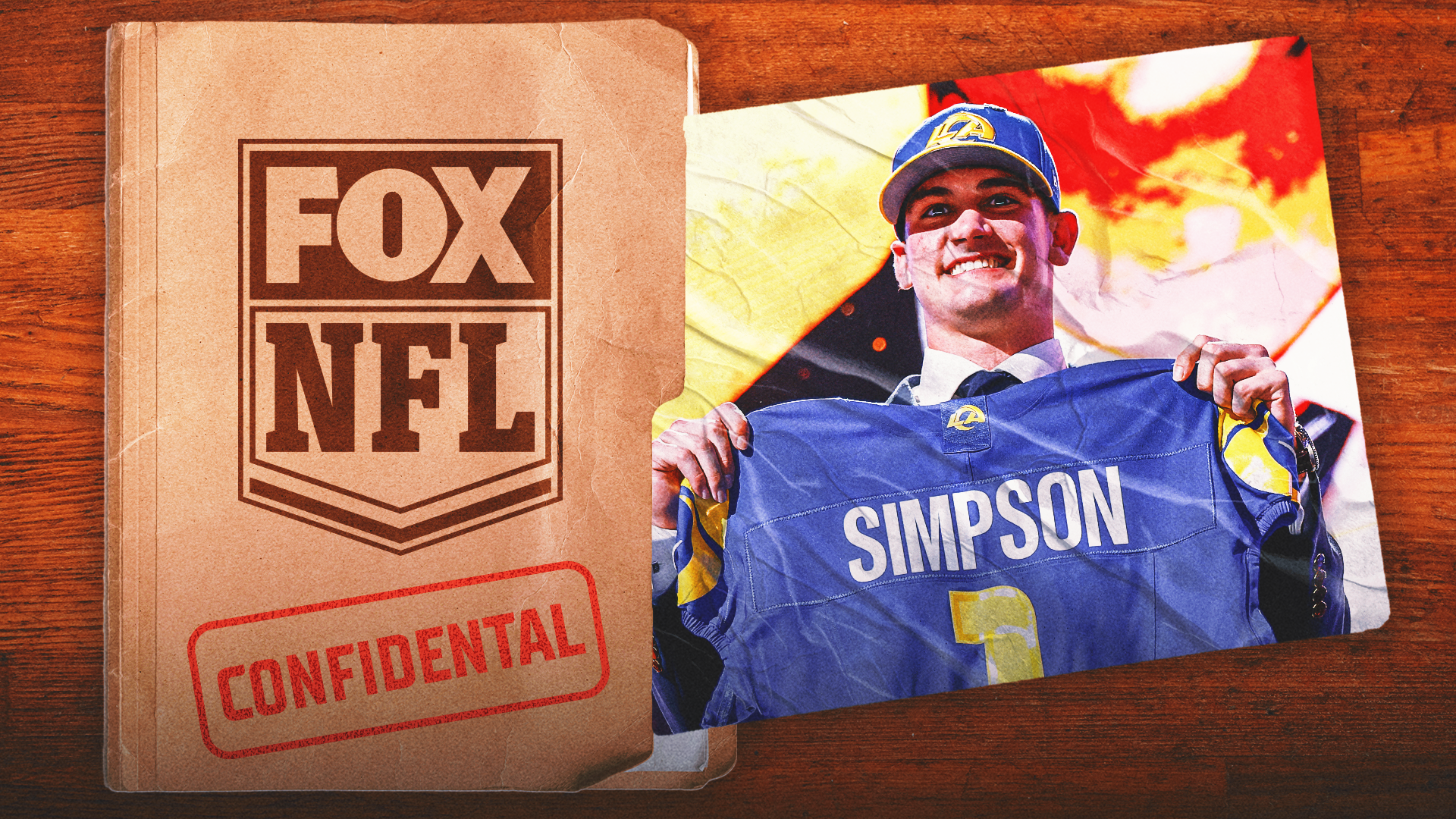
Conversely, not every team capitalized effectively on their draft opportunities. The Los Angeles Rams' choice of Ty Simpson as their quarterback of the future has raised eyebrows, primarily due to his limited experience and size. While his skills could blossom—if nurtured properly—the Rams passed on better immediate options that could have provided instant impact. There's now immense pressure on him to perform in a league known for its quick judgment of quarterbacks. The mismatch between available talent and their choice suggests a misalignment of the team's needs and their draft strategy.
The San Francisco 49ers ignited backlash with their Day 2 selections, which highlighted a disconnect between fan expectations and the franchise's evident strategy of seeking hidden talent. Their picks, including wide receiver De’Zhaun Stribling, left many questioning their commitment to immediate team needs versus long-term development. What becomes clear through their approach is a reluctance to address pressing concerns, making it easy for critics to voice doubts about the franchise’s strategic direction. The tension between fan enthusiasm and management ambitions speaks volumes about the challenges faced by the 49ers. They're now counting on the effectiveness of their lesser-known selections to justify their decisions. That's a precarious gamble.
The Tennessee Titans’ choice of Carnell Tate at the number four spot has surprised many, especially given the talent available. Opting for a receiver projected as a second-tier college player might leave the Titans vulnerable to skepticism among fans and analysts alike. The added investment through trades for Keldric Faulk raises further questions—will he transform into the versatile pass rusher they need? One glaring issue stands out: they appear to be banking heavily on potential and strong contributions from their second-round picks to mitigate the risk associated with their first-round selections. That strategy seems risky at best.
The Outlook Ahead
The common thread uniting this year's draft results is the inherent uncertainty that surrounds young talent, with the real impact of these selections likely observable only after a couple of seasons of play. This year's draft has showcased that while optimism is a driving force in a franchise's future, the consequences of the decisions made can set the tone for years to come. As these new rosters begin to take shape, the critical question remains: which teams not only acquired talent but also reinforced a coherent vision for their future?
Operations in the NFL involve far more than mere player selection. An astute approach to drafting is as much about establishing a long-term strategy as it is about filling immediate gaps. The NFL season ahead is set to be telling; teams that misfired will undoubtedly need to adjust quickly, and that could lead to surprising roster moves as executives scramble to right the ship. The question for fans and analysts alike: who will adapt and who will falter?