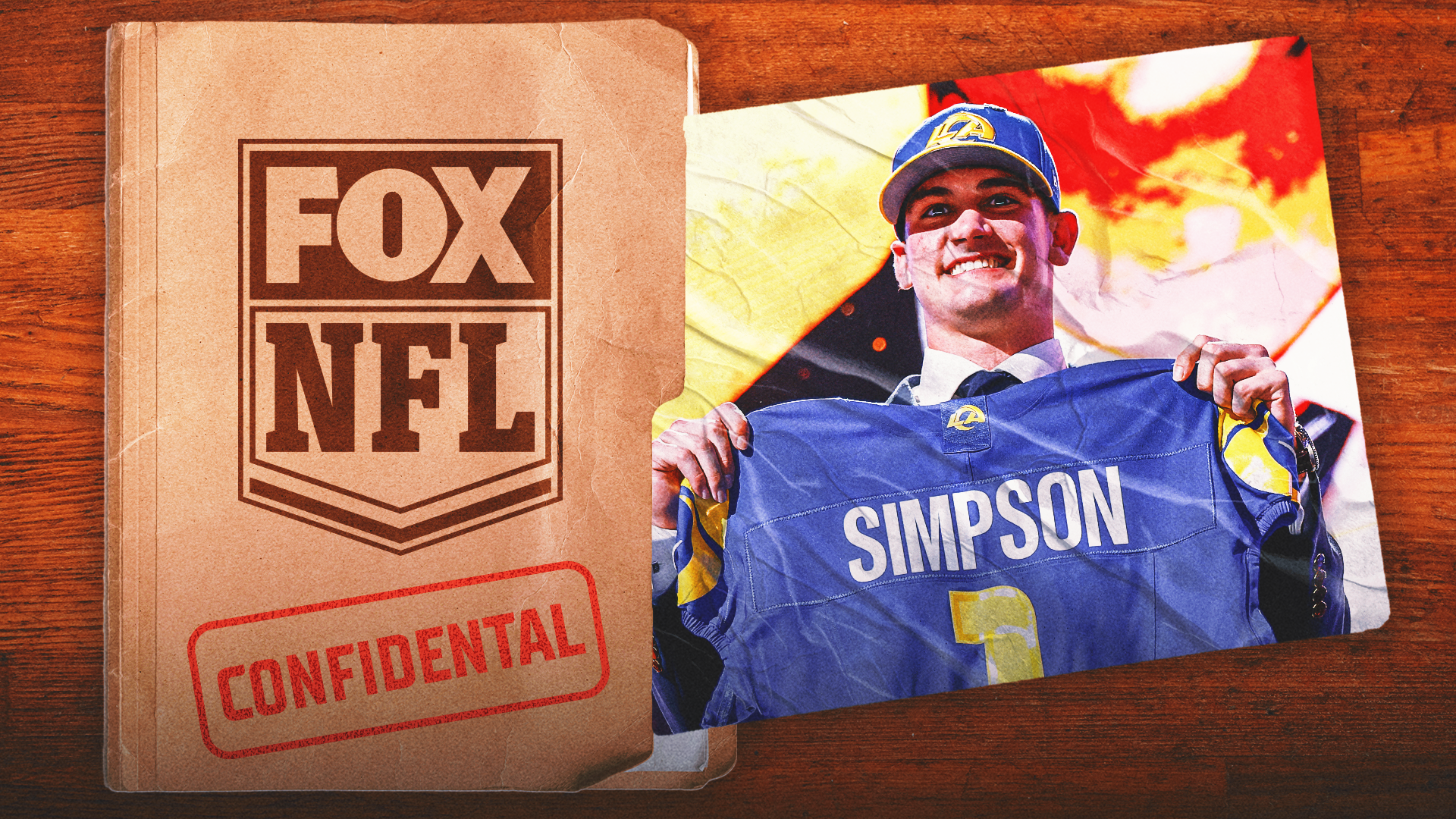
The recent frenzy surrounding the 2026 NFL Draft has drawn attention not just to the outcomes but also to the shifting priorities and strategies of teams now navigating the post-draft landscape. The first round revealed a surprising trend: five of the last six picks were traded. This sets up a particularly intriguing second round as multiple teams look to capitalize on new opportunities. Key league players appear ready to bolster their defenses or shore up glaring needs as they compete for playoff berths in an increasingly competitive field.
Shifting Strategies After Round One
This year’s draft firmly established that teams are willing to gamble on trades to position themselves better. In fact, two of the first three teams selecting in the second round made the playoffs last season, indicating a focus on immediate impact. The San Francisco 49ers are one of these teams, poised to select a potential starting safety. With the departure of Jalen Thompson and Budda Baker entering the twilight of his career, the 49ers have a unique opportunity to address a critical need in their secondary.
Defensive Overhaul Trends
Defensive upgrades are likely to dominate the narrative in the second round. Players like McNeil-Warren, who earned third-team AP All-American honors with impressive stats, are the type of talents teams will be eyeing. When you consider that the Arizona Cardinals face similar safety dilemmas, their interest in crafting a future-proof roster becomes abundantly clear. They’re reportedly looking towards Stukes, who notched four interceptions last season, as another strong choice.
The Buffalo Bills are also ramping up their defensive machinery after acquiring Bradley Chubb in the offseason. Young, a first-team All-SEC selection, recorded 6.5 sacks last season, showcasing exactly the kind of edge rusher the Bills need to maintain pressure. Such selections don't just reflect individual talent but signify a broader shift toward layering defensive strategies to compete in high-stakes games.
The Offensive Revamps
The offensive side of the ball is not being neglected, either. The Cleveland Browns are finally making a concerted effort to expand their receiving corps, having failed to produce a 700-yard wide receiver last season. They appear set to draft Boston, who posted nearly 900 yards and 11 touchdowns last season. This could be the year the Browns really augment their passing game, especially with emerging talents like Concepcion from the first round already in the mix.
Position-Specific Focus in Draft Strategy
Looking ahead, with second-round picks becoming increasingly strategic, teams are leaning towards gap-filling choices rather than reaching for “best available” as they might have in previous drafts. The Chiefs, for instance, are targeting a defensive tackle to offset the aging roster, looking seriously at Harris, whose statistics mirror the consistency and power they need to bolster their defensive line. Meanwhile, the Bengals' aim to provide quarterback Joe Burrow with better protection through a swing tackle highlights a commitment to long-term viability and quarterback safety.
The Atlanta Falcons’ quest to fill the gap left by Kaden Elliss reflects yet another thematic focus on securing defensive stability. Hill, who was recognized as a second-team All-American, is expected to be a step up in fortifying their linebacker corps. Such moves reinforce the notion that teams won’t just be playing to win now but are keenly aware of their future frameworks.
The Emerging Talent and Their Future
Prominent talents from the draft, such as Golday and Thomas, illustrate the tactical shifts in drafting strategies. Golday, with a track record of formidable tackles, represents a long-term answer for the Jaguars at linebacker amidst free agency shakeups. Similarly, Thomas brings a robust skill set that could make him an influential edge rusher for the Bears. The draft isn’t solely about immediate impact; it’s about securing foundational pieces that anticipate future challenges.
Long-Term Considerations
GMs are also keenly considering the developmental aspects of their choices. The trend pushing towards younger, draft-lauded talent signifies a shift in how teams anticipate managing future rosters amidst the realities of player retirements and contract negotiations. For teams like the Steelers and Packers, investing in young guards like Pregnon and Hood suggests a long-term planning approach aimed at maintaining competitive edges in the trenches. This kind of tactical foresight in player selection is distinguishing these franchises in a crowded field.
Conclusion: The Road Ahead
The second round of the 2026 NFL Draft stands as a critical juncture for teams to solidify areas of need while setting the stage for sustainable success. As organizations navigate this fluid ecosystem, keeping an eye on player utilization alongside positional needs will remain paramount. With each pick, teams must weigh the merits of immediate impact against long-term vision—a balancing act that will define not only this season but the very future of their rosters.