The 2026 NFL Draft yielded dramatic shifts in team strategies, particularly within the first round, where several teams made surprising selections that could reshape their rosters. Among the most notable moments was the Las Vegas Raiders’ choice to secure quarterback Fernando Mendoza as the first overall pick, a selection that ushered in a clutch of unexpected draft decisions. Teams like the Arizona Cardinals, Tennessee Titans, and Los Angeles Rams captured attention with head-turning picks that sparked debates about their potential impacts on the upcoming season.
A New Era for the Los Angeles Rams
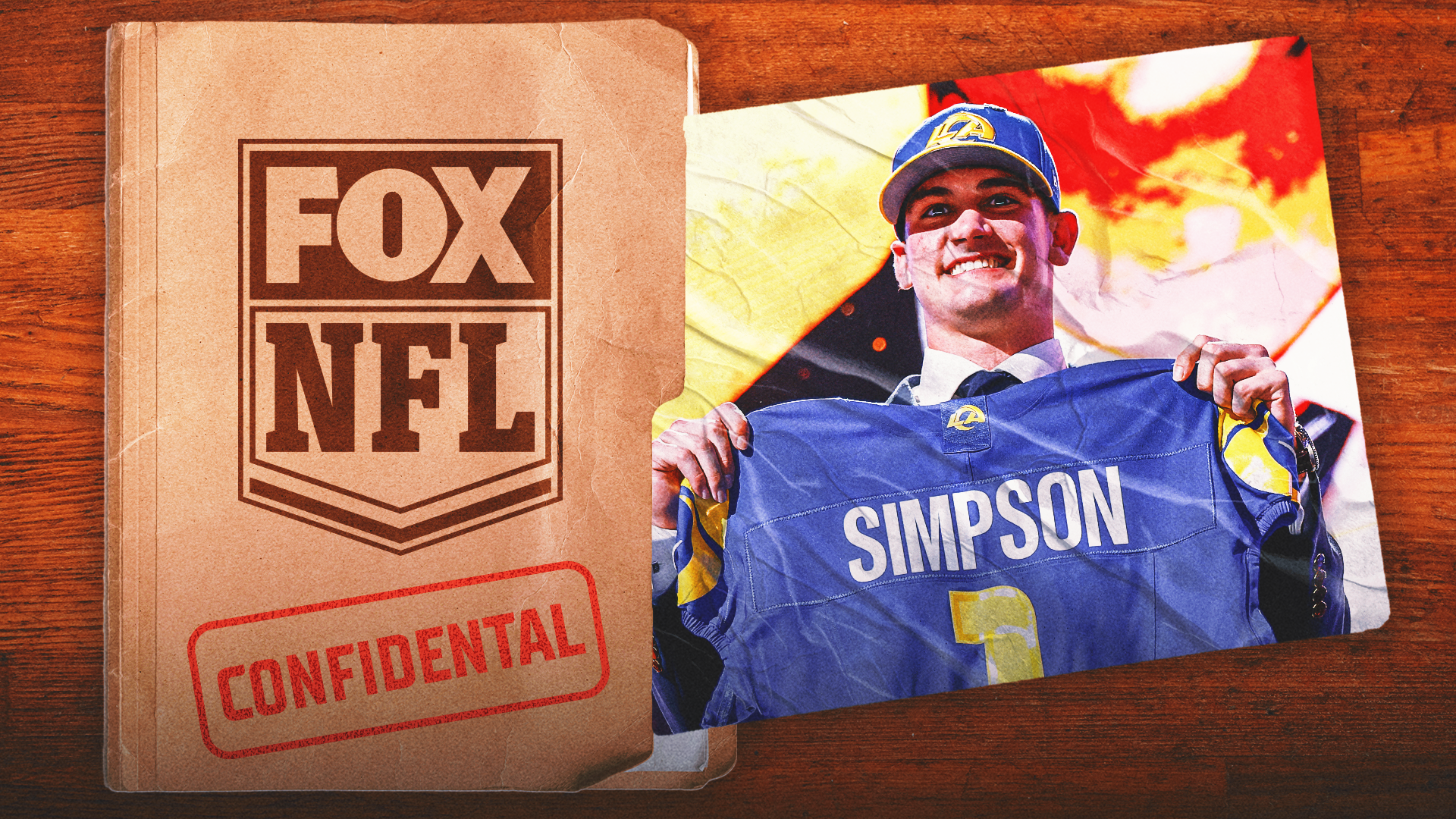
The Rams’ decision to select Alabama quarterback Ty Simpson with the 13th pick has raised eyebrows across the league. This marks a significant investment in a backup quarterback while their roster still features veteran Matthew Stafford, who’s navigating the latter stages of his career. This is not merely an average pick; it’s the highest the franchise has drafted a quarterback since 2016 and positions Simpson as the future choice for an offense that increasingly requires rejuvenation. Simpson’s attributes—his accuracy, anticipation, and adaptability within Coach Sean McVay’s system—suggest he may be primed for development behind Stafford. Yet, the choice raises a deeper question: did the Rams prioritize the wrong position at critical junctures? The Rams, having recently missed a Super Bowl berth, found themselves in a precarious spot. By focusing on a future quarterback instead of urgently needed offensive playmakers, their strategy might not align with the immediate goals to return to contention.
The This-Just-Happened Surprise of the Tampa Bay Buccaneers
The Buccaneers, picking at No. 15, stumbled into a remarkable opportunity by drafting Miami edge rusher Rueben Bain Jr. Recent controversies surrounding Bain, specifically a car accident that resulted in a death, possibly influenced his slide down the draft board. General manager Jason Licht clarified that the team was aware of Bain’s past and expressed confidence in his character, indicating that Bain's fall to their pick was an unexpected but fortunate situation for the organization. As they confront a subpar pass-rush performance from last season, Bain’s presence, alongside freshly acquired talent and returning players, forms a potentially formidable front. This selection underscores not just luck but also strategic foresight, proving that the Bucs could experience a resurgence if their defense capitalizes on this uncommon addition.
A Surge in New York
There was a palpable sense of excitement around the New York Giants’ draft room, particularly after they secured Ohio State edge rusher Arvell Reese at the fifth pick. The Giants viewed Reese as not just an addition but a centerpiece for their defensive resurgence. Paired with talents like Brian Burns and Kayvon Thibodeaux, Reese completes a rotation brimming with potential. This strategy aligns perfectly with Head Coach John Harbaugh’s philosophy of fostering a relentless pass rush that has proven vital for past Giants teams. As they begin crafting a respectable defense, the integration of Reese could transform what was previously seen as one of the league's weakest units into a competitive adversary.
Building a Future in Philadelphia
Meanwhile, the Eagles made a clear statement about their intentions for the offense by selecting wide receiver Makai Lemon at No. 20. This move reinforces the emerging focus on enhancing the passing game with multiple playmakers, creating layers of offensive threats around quarterback Jalen Hurts. The successful incorporation of Lemon, alongside established talents like DeVonta Smith and Hollywood Brown, suggests that the Eagles are eager to set up a dynamic aerial attack. This strategy mirrors successful models seen in other NFL franchises, such as the Seahawks, emphasizing the viability of a diverse receiver corps. It raises expectations for immediate impact while fueling anticipation about how head coach Sean Mannion will wield this newfound arsenal effectively on the field.
The Dallas Cowboys: A Calculated Approach
The Dallas Cowboys turned heads with their calculated moves during the draft. Their initial selection of Caleb Downs, a safety from Ohio State, was seen as a success, particularly after they traded just one spot up. Downs is recognized not only for his physical prowess but also for his football IQ. In a defense that historically struggled last year, his arrival could translate to immediate enhancements. The additional selection of UCF’s Malachi Lawrence bolsters their defense further, allowing the Cowboys to flaunt strategic maneuvering within the draft while addressing pressing needs. The duality of acquiring two impactful defenders while adhering to budgetary considerations paints Dallas as not just participants but serious contenders in the impending season.
What's Next?
This draft season was marked by unexpected selections and strategic pivots that will have lasting implications as teams prepare for the 2026 season. Each of the aforementioned teams has outlined clear pathways to enhance their rosters through their draft choices. How these players adapt and integrate will be crucial—the performances of Simpson in Los Angeles, Bain in Tampa Bay, Reese in New York, Lemon in Philadelphia, and Downs in Dallas could make or break their respective team’s seasons. As these prospects navigate their rookie years, the unfolding narrative will reflect not only individual talent but also the broader vision each franchise holds as they attempt to align for success.