As we stare down the complexities of 2026, the increasing disconnection between wealth generation and cultural enrichment has never been more poignant. Picture this: while tech giants like Spotify budget extravagant sums for office festivities—think $7,000 on ice cubes alone—musicians receive a mere fraction, roughly $0.003 per stream. This stark contrast isn't just a quirk of the music industry; it reflects a broader systemic issue where cash flows freely in certain sectors while the arts languish under dwindling support.
The Paradox of Plenty in Cultural Spaces
One can’t overlook the irony here; industries that thrive on capital—like finance and tech—often overlook the sustainability and value of creative endeavors. While the world is beset by crises ranging from intensified armed conflicts to stark financial inequality, the disparity in how prosperity is distributed continues to grow. Concerns about food security, water scarcity, and an impending AI revolution that threatens jobs amplify this reality. The question isn't just about how we got here, but why we continue to prioritize extravagance in certain sectors while neglecting the arts and culture.
A Historical Perspective: The Roots of Inequality
To trace this back, one must turn to the Victorian Era, a time marked by industrialization and imperial hubris that set the stage for modern consumption patterns. From 1837 to 1901, the wealth generated in Britain poured out into the expansion of empires, often at the expense of the colonized. The chaotic streets of Victorian London, with its rampant inequality, serve as a grim backdrop for the modern equivalent where the "haves" enjoy a detachment from the struggles of the "have-nots." How, then, can we reconcile modern leisure—like escape to ocean beaches—with the historical exploitation that often undergirds it?
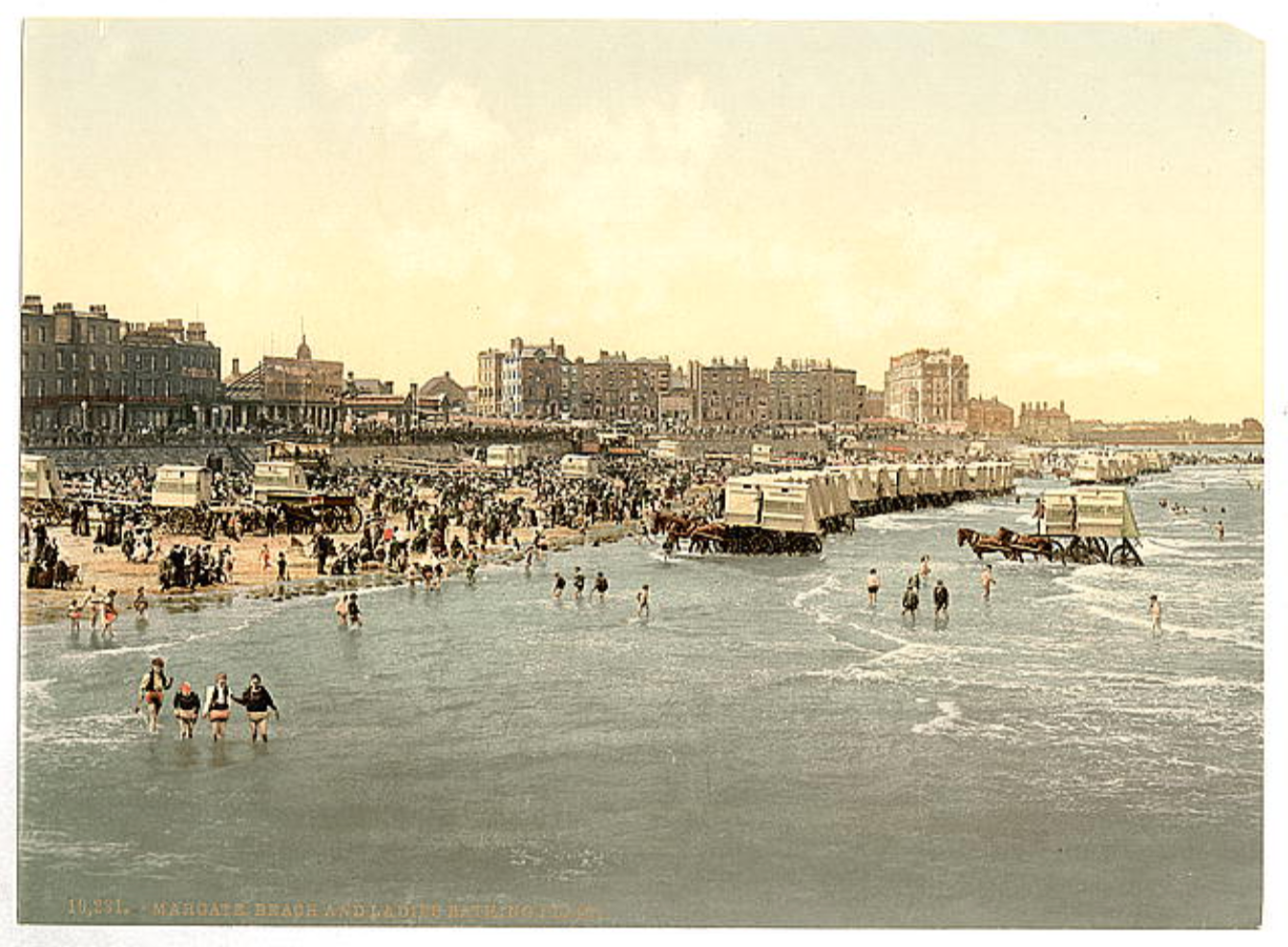
Library of Congress
Surfing: A Microcosm of Cultural Commodification
At the intersection of leisure and commercial exploitation is surfing, once a spiritual practice deeply connected to the ocean, now teetering on the edge of a luxury commodity. The irony of its commodification began with the introduction of the sport in the early 20th century and has since escalated into a battle for authenticity against corporate interests. The resurgence of surfing—and its marketing as an elite sport—mirrors the essentials of privilege, essentially pushing out the very culture that birthed it.
Calvinist missionaries in the 19th century sought to eradicate surfing, deeming it frivolous. But the Hawaiian resistance prevailed, symbolizing a fight for cultural identity against forces that would reduce expression to a transactional activity devoid of deeper meaning. Today, that struggle persists in a different format, as surfing becomes commercialized and intertwined with a lifestyle that's exceedingly out of reach for many. It raises a provocative question: in our race toward progress, what, and who, are we leaving behind?
The Ocean as Equalizer
The ocean, often romanticized as an equalizer, doesn't discriminate between wealth and poverty; it offers its waves to all. Yet, the access to these spaces often reflects societal inequities. For surfers and beachgoers alike, the ocean serves as a reminder of the inclusive potential of nature—an indifferent force that cares little about our human constructs. If only the same ethos could translate to how we engage with and support the arts and culture.
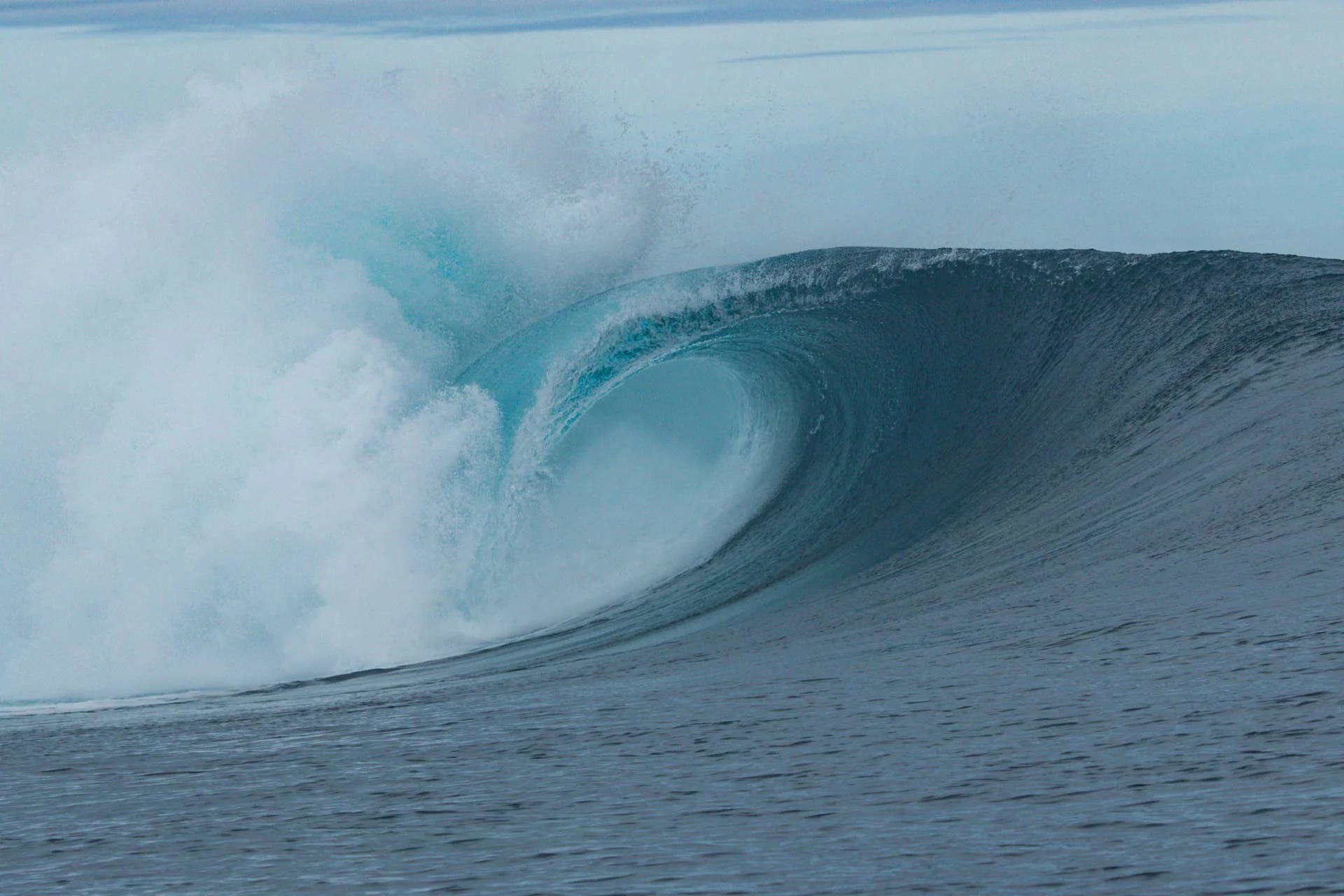
Josh Bystrom
Moving Beyond Apathy: Cultivating Awareness and Gratitude
In navigating the bleak realities of today’s world, the importance of awareness, kindness, and gratitude becomes evident. While the challenges seem daunting, individual and collective action rooted in these virtues could bridge the gaps being created in our cultural fabric. As industry professionals, creatives, and consumers, it's imperative to demand better not just for artists in terms of fair compensation, but also for cultural ecosystems that require nurturing rather than exploitation.
Ultimately, surfing lessons impart a profound truth: it’s not about mastering the sport for accolades, but about finding solace in the triumphs and tribulations of the ride. The same could be said for our engagement with the arts and cultural pursuits—they should be about authentic connection rather than mere consumerism. The ocean has a knack for teaching these lessons, reminding us that while the world is fraught with disarray, beauty still exists. It's up to us to embrace that, yielding not to despair but to curiosity and appreciation.
Related: Cutting Edge: Lucas Lecacheur’s Violent Eye and “Perfect Designs”