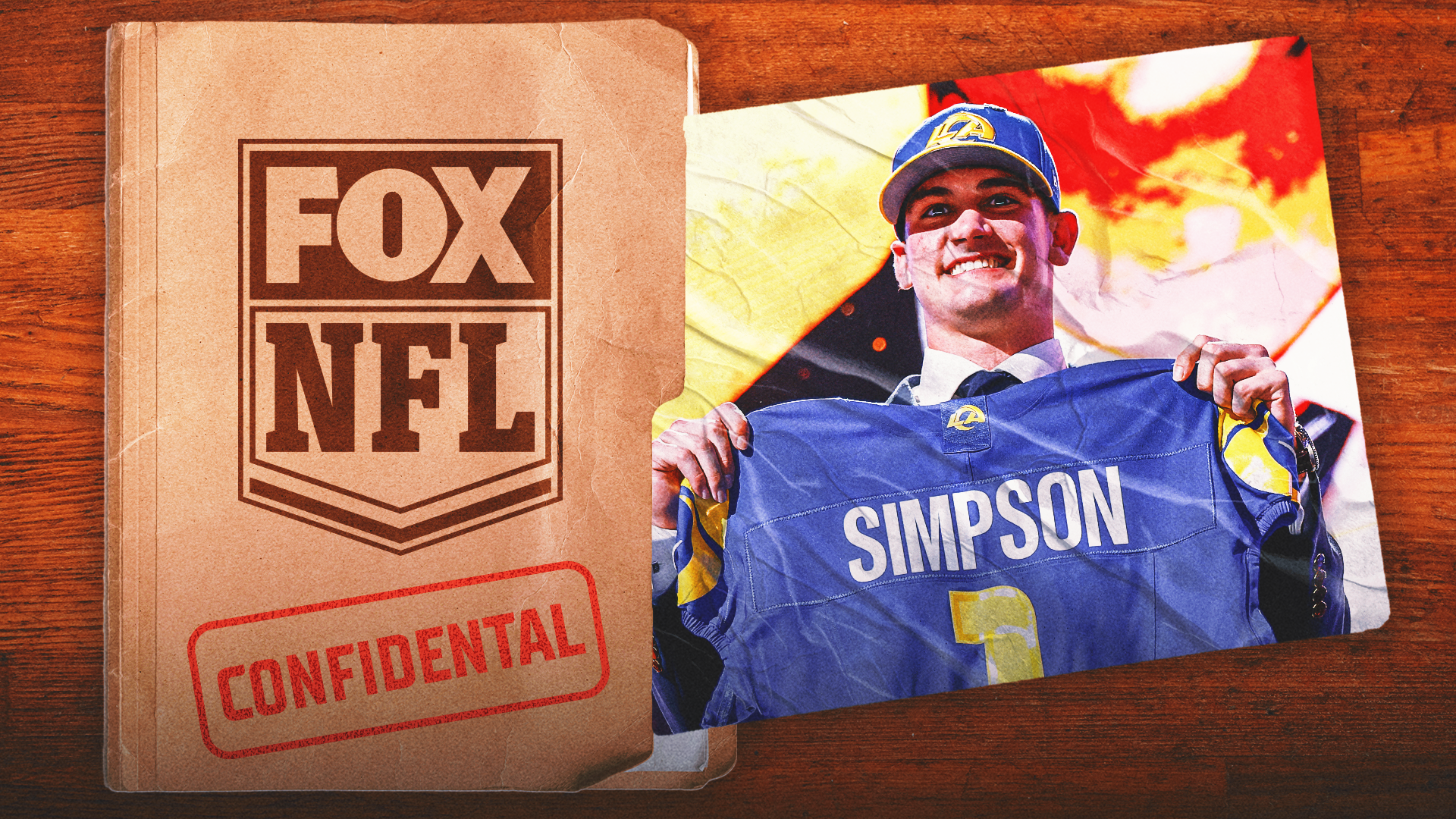
The 2026 NFL Draft has set a dynamic tone across the league, with several teams making bold moves to address glaring weaknesses. This year’s selections not only reflect immediate tactical adjustments but also build a foundation for future success. Yet, amid the excitement of new talent acquisition, a few underlying trends must be scrutinized, especially regarding how these roster moves are perceived against an increasingly competitive landscape.
Significant Acquisitions That Could Shift Team Fortunes
The Chiefs' decision to nab Mansoor Delane with a first-round pick has turned heads for good reason. A substantial upgrade for a cornerback unit that had become a critical vulnerability, Delane’s elite stats—90.7 coverage grade and a passer rating of 31.3 when targeted—highlight why Kansas City felt it necessary to move up three spots to secure him. This isn’t just a short-term fix; it’s an investment in elevating the defense to match the high-octane offense they’ve established under center.
In a similar vein, the Miami Dolphins undoubtedly bolstered their secondary with the addition of Chris Johnson. Having lost key boundary corners like Rasul Douglas and Jack Jones, securing Johnson—who boasted the lowest passer rating allowed among qualified cornerbacks last season—reflects a commitment to turning a weakness into a stabilization point of the defense. How effectively Johnson adapts to a zone-heavy scheme will determine how quickly Miami can regain ground defensively.
How Tactical Needs Shape Draft Strategy
The Jets took a multi-faceted approach to address their pass-catching needs. With a receiving corps that finished dead last in PFF grading, the drafting of Kenyon Sadiq and Omar Cooper Jr. appears to be a strategic move toward creating a more potent offensive threat. Both players demonstrated production metrics that suggest immediate utility, allowing the Jets to potentially leapfrog their division rivals in a historically competitive AFC East.
Yet, the decision to draft Sadiq, especially after acquiring Mason Taylor last offseason, raises questions about resource allocation in a position group that might need more than just a high draft profile to shift its success trajectory. The real challenge lies in fostering chemistry among these new pieces with quarterback Aaron Rodgers.
Defensive Rebuilding: The State of the Linebacker Corps
The New York Giants, with their selections of Arvell Reese and Francis Mauigoa, are leaning heavily into revitalizing their linebacker corps. The unit ranked disturbingly low last year, suggesting an urgent need for a skill injection. Reese's athletic profile, bolstered by an impressive run-defensive grade, indicates he could quickly become a standout in their defensive scheme. Interestingly, the Giants have been building up this area through the draft rather than free agency, which raises questions about their long-term strategic vision.
On the other hand, the Cowboys found an exceptional safety in Caleb Downs, contributing to a secondary that desperately needed competency. His arrival alongside Jalen Thompson marks a notable shift from 30th-ranked safety production in previous seasons to what now has the potential to become a solid foundation in a restructured defense.
A Shift in Team Dynamics and the Importance of Chemistry
The significance of these first-round picks goes beyond mere statistics; they indicate a broader trend in how teams approach talent acquisition. The instinct is to view these as singular transactions leading to immediate performance improvement, but that misses the point of what truly drives success in the league. The integration of these players into existing infrastructures, fostering communication and understanding on all fronts, is vital.
Consider the Saints, who opted for Jordyn Tyson, illustrating that even with explosive talent, a multifaceted composition is essential for crafting a winning strategy. Tyson's ability to complement Chris Olave could provide a significant boost to a unit that has struggled to find consistent production outside its star players.
Conclusion: Watching for Future Impacts
In a draft defined by calculated risks and aggressive maneuvers, the focus should remain on how quickly these newcomers can psychologically and physically integrate into their respective squads. While talent is an unambiguous requirement for success, cultivating a cohesive unit is equally paramount. The implications of the 2026 NFL Draft will resonate throughout the coming season, but it is the ability of these franchises to adapt their foundational pillars that will determine whether these selections will pay the dividends their teams are anticipating.
The key takeaway for industry professionals is straightforward: keeping an eye on team dynamics, coaching philosophies, and player development pathways will prove essential as the season unfolds. Talented players can transform a team, but understanding how they mesh together will dictate their collective success.