The recent 2026 NFL Draft has highlighted some unexpected dynamics in team rosters that could have significant implications for fantasy football. While many pundits anticipated a flurry of running back picks, the reality was markedly different, leaving several veterans with newfound security in their roles. This draft has fundamentally altered player trajectories for both established and emerging players as teams navigate their backfields in the wake of these roster changes.
Mike Washington Jr.: A Rising Star for the Raiders
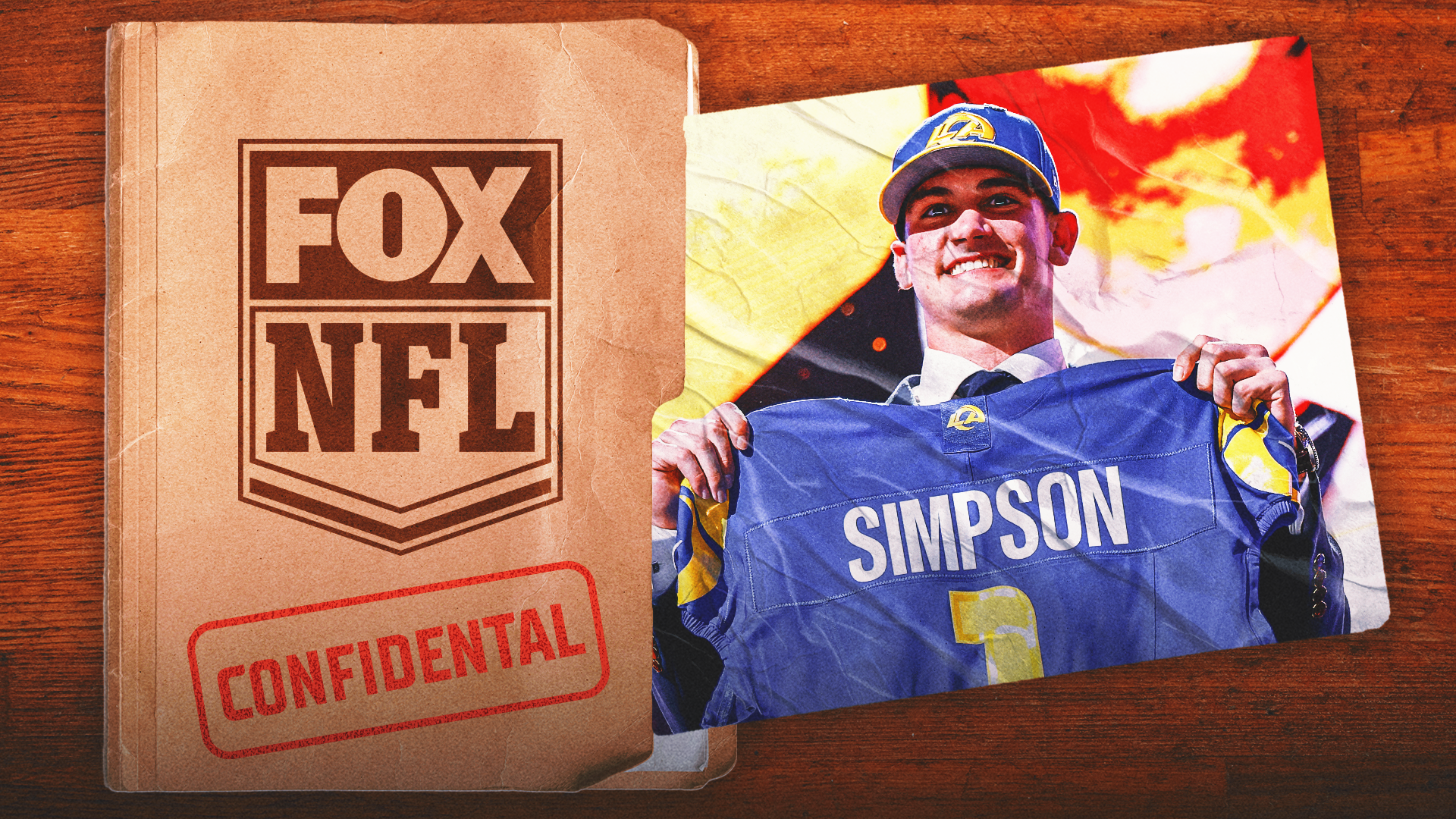
Among the standout developments from the draft is the selection of Mike Washington Jr. by the Las Vegas Raiders. Washington, measuring in at 6-foot-2 and 228 pounds, is not just one of the largest running backs in this draft class; he also brings significant speed, clocking a 4.33 in the 40-yard dash at the combine. While his production stats may place him in the middle tier among rookie running backs — achieving at least 10 yards on 18% of his carries — his physical attributes suggest he can excel as an early-down back.
Washington’s arrival presents challenges for current Raiders’ running back Ashton Jeanty. Given Washington's size and the potential for him to siphon goal-line opportunities, Jeanty’s likelihood of maintaining high touch counts could wane, even if he retains a leading role in the backfield. If you’re analyzing this team, keep an eye on how the Raiders plan to deploy both backs, especially in red-zone situations.
The Impact on Veteran Running Backs
This draft was also a boon for several veteran running backs who find themselves secure in their positions, particularly on teams that had opportunities to draft competition but opted to stand pat. The Arizona Cardinals, Tennessee Titans, New York Giants, and Washington Commanders did not add running backs until very late in the draft, which suggests confidence in players like Tony Pollard and Rachaad White. The lack of significant investments not only helps these veterans maintain their roles but also may allow them to flourish without the looming threat of a rookie taking their snaps.
Furthermore, the absence of serious competition in these backfields may lead teams to lean heavily on their established starters. This trend is particularly notable in organizations like the Minnesota Vikings, where limited draft activity leaves players like Aaron Jones feeling more secure about their carry counts this season.
Wide Receivers and Tight Ends: What the Future Holds
The wide receiver situation is slightly murkier, especially for the Raiders, who added Jalen Nailor but otherwise neglected to enhance their receiving corps. This leaves Tre Tucker and Jack Bech with more opportunities to emerge as targets for quarterback Fernando Mendoza. The pressure is on to see if these players can step up under the spotlight, especially when compared to last season’s performance from the team’s WR group.
In contrast, the Baltimore Ravens made far less noise at tight end. With departures of key players like Isaiah Likely in free agency and no substantial draft capital allocated to the position, Mark Andrews could see a significant uptick in playing time. His snap count should substantially increase, positioning him as a top option in the Ravens' passing game.
Losers in the Draft: Shifting Dynamics
Yet, not all players benefited. Ashton Jeanty now faces a tougher path due to Washington’s arrival, which could restrict his goal-line touches. Similarly, J.K. Dobbins of the Denver Broncos finds himself in a precarious situation following his team's selection of running back Jonah Coleman in the fourth round. Coleman’s unique skill set and robust performance in college could translate him into a goal-line role, which would hinder Dobbins’ fantasy viability.
Teams can choose to shift the dynamics within their backfields even with the addition of just one player, and many are watching closely to see how these transitions unfold. The true test will be how these new dynamics impact player usage and which veterans defy the odds this season.
As you prepare for your upcoming drafts, keeping an eye on these evolving situations will be essential. The talent pool has indeed shifted, and understanding these changes can give you a competitive edge in your fantasy leagues.